


Introduction
Artificial Intelligence(AI) in healthcare 2025 is reshaping how we diagnose patients problems , treat patients , and manage medical operations. This guide is for healthcare professionals, medical administrators, and anyone curious about how artificial intelligence is changing medicine right now.
We’ll look at how AI-powered diagnostic tools are catching diseases earlier and more accurately than ever before. You’ll also learn how healthcare systems are using AI to cut costs and reduce those frustrating wait times we all hate. Finally, we’ll cover why ethical AI implementation matters for keeping patient trust while advancing medical care. The healthcare industry is moving fast with AI adoption, and these changes affect everyone from doctors to patients to hospital administrators.
Revolutionary Diagnostic Capabilities Transform Patient Outcomes
Real-time Disease Detection Through Advanced Imaging Analysis
Medical imaging has reached a point where, in many cases, AI systems can detect disease faster and more accurately than human radiologists. Deep learning algorithms can now analyze CT scans, MRIs, and X-rays in seconds, identifying subtle patterns that can elude even experienced doctors. These systems are adept at detecting early-stage cancer, often finding tumors when they are still treatable and have not spread.
Ophthalmologists use AI-powered retina scanners that can diagnose diabetic retinopathy during routine eye exams, preventing blindness for thousands of patients. Skin disease apps equipped with computer vision can assess suspicious moles and skin lesions, alerting users to potential melanomas before they become life-threatening. Emergency departments rely on AI to quickly identify strokes from brain scans, cutting precious treatment time by seconds.
The technology works by training neural networks on millions of medical images, teaching them to recognize disease patterns across diverse patient populations. These systems don’t tire, don’t have bad days, and maintain consistent accuracy around the clock.
Predictive Modeling Identifies Health Risks Before Symptoms Appear

Predictive analytics is transforming healthcare from reactive to proactive by using patient data to predict health problems long before symptoms appear. Machine learning models analyze medical records, lab results, lifestyle information, and even genetics to create a complete picture of each patient’s risk factors.
These algorithms can predict heart attacks up to five years in advance by analyzing patterns in blood pressure readings, cholesterol levels, and family history. Diabetes prediction models identify pre-diabetic patients who would benefit from early lifestyle interventions, preventing full-blown disease development. Mental health algorithms detect early warning signs of depression or anxiety by analyzing speech patterns, social media activity, and behavioral changes captured through smartphone sensors. Hospitals use predictive models to identify patients at high risk for sepsis, a life-threatening condition that kills more than 250,000 Americans annually. These systems monitor vital signs, lab values, and clinical notes in real-time, alerting medical staff when intervention is needed. Similar models predict which patients are likely to be readmitted within 30 days, allowing care teams to provide additional support and resources.
Personalized Treatment Recommendations Based on Genetics
Genomic medicine powered by AI tailors treatment plans to each patient’s unique genetic makeup. Instead of using a one-size-fits-all approach, doctors can now prescribe medications and therapies based on how a patient’s genes affect drug metabolism, disease progression, and response to treatment.
Pharmacogenomics algorithms analyze genetic variation to predict which drugs will work best for individual patients and avoid dangerous side effects. Precision oncology has revolutionized cancer treatment, where AI systems analyze tumor genetics to recommend targeted therapies that are most likely to succeed. Patients with the same type of cancer can receive completely different treatments based on the molecular profile of their tumors.
Mental health treatment benefits greatly from the combined use of genetic testing with AI analysis. Algorithms can predict which antidepressants will work best for specific patients, reducing the trial-and-error process that often forces people to struggle with ineffective medications for months. Psychiatrists can now select treatments based on genetic markers that affect neurotransmitter function and drug metabolism.
Patients with rare diseases particularly benefit from AI-powered genetic analysis. Machine learning models can identify genetic variants associated with obscure conditions, allowing for rapid diagnosis and targeted treatment that may not have been discovered through traditional methods.
Reduced Diagnostic Errors Through AI Assisted Decision Making
Medical errors remain a leading cause of death, but AI systems are dramatically reducing diagnostic errors by providing additional analytical support to doctors. These tools do not replace physician judgment but rather act as highly sophisticated second opinions that catch errors and suggest alternative diagnoses.
Clinical decision support systems analyze a patient’s symptoms, lab results, and medical history to generate differential diagnoses based on probabilities. When emergency room doctors are overworked, these systems help ensure that serious conditions are not missed. AI algorithms are adept at identifying rare diseases that human doctors might not consider, especially when symptoms are vague or confusing.
Pattern recognition software is sliding alongside human pathologists in reviewing pathology, reducing the rate of misdiagnosis in cancer detection. These systems are particularly valuable for identifying aggressive cancers that require immediate treatment versus slow-growing tumors that can be monitored. Radiologists work with AI assistants that highlight potential abnormalities in medical images, ensuring that subtle findings are not overlooked during busy shifts.
The technology also helps reduce cognitive biases that can lead to diagnostic errors. AI systems are not subject to anchoring bias, where doctors stick too closely to initial ideas, or availability bias, where recent events inappropriately influence current diagnoses. This objective analysis helps medical professionals consider a wider range of possibilities and make more accurate diagnoses.
Streamlined Healthcare Operations Reduce Costs and Wait Times
Automated Administrative Tasks Free Up Medical Staff for Patient Care
Healthcare professionals spend about 40% of their time on paperwork and administrative tasks that do not involve direct patient interaction. AI-powered systems are changing this reality by taking over routine tasks like appointment scheduling, insurance verification, and medical record updates. Natural language processing handles patient queries through chatbots, while machine learning algorithms automatically code medical procedures and generate billing reports.
Smart documentation systems now transcribe physician notes during patient visits, pulling relevant information directly into electronic health records. This reduces the time doctors previously spent typing out visit summaries for hours. Voice recognition technology has become sophisticated enough to understand medical terminology and context, reducing transcription errors by 85% compared to manual entry. Insurance pre-approval, which was once a time-consuming process that required multiple phone calls and forms, now happens automatically through AI systems that cross-reference patient data with insurance databases. These systems can process authorization requests in minutes rather than days, providing patients with the care they need faster and reducing the administrative burden on staff.
Intelligent Scheduling Systems Optimize Resource Allocation
Modern AI scheduling platforms analyze historical data, patient flow patterns, and resource availability to create optimal appointment schedules. These systems take into account factors such as appointment duration, physician specialty, equipment needs, and patient preferences to minimize wait times and maximize facility utilization.
Machine learning algorithms predict no-show rates based on patient history, weather patterns, and appointment times, allowing clinics to strategically overbook without delay. When cancellations occur, the system instantly identifies the best replacement from the waiting list, taking into account emergency conditions, location, and schedule compatibility. Emergency department management has seen dramatic improvements with AI-powered triage systems that predict patient arrivals based on seasonal trends, local events, and historical data. Hospitals can now proactively adjust staffing levels, reduce overtime costs, and ensure adequate coverage during peak periods.
Enhanced Drug Discovery Accelerates Life-Saving Treatments
AI-powered molecular analysis speeds up compound identification
Machine learning algorithms are revolutionizing the way researchers identify promising drug compounds by analyzing molecular structures at unprecedented speed and scale. Traditional drug discovery methods used to require years of laboratory testing to screen thousands of potential compounds, but AI systems can now evaluate millions of molecular combinations in a matter of hours.
Deep learning models trained on vast chemical databases can predict how different molecular structures will interact with target proteins, essentially creating a virtual laboratory that never shuts down. These systems identify patterns of molecular behavior that human researchers might miss, uncovering unexpected connections between chemical structure and biological activity.
Companies like Atom wise and Benevolent AI have demonstrated remarkable success using AI to identify drug candidates for diseases ranging from Ebola to ALS. Their algorithms can predict which compounds are most likely to succeed in clinical trials, dramatically reducing the time and resources spent on premature research pathways.
Virtual clinical trials reduce development timelines
Digital twins of human physiology are transforming clinical trial design by creating sophisticated computer models that mimic the behavior of drugs in the human body. These virtual trials allow researchers to test thousands of scenarios without recruiting a single patient, identifying optimal dosing strategies and potential side effects before human trials begin.
AI-powered patient recruitment platforms are also streamlining traditional clinical trials by matching eligible participants with relevant studies in real-time. Machine learning algorithms analyze electronic health records to identify patients who meet specific criteria, reducing recruitment time from months to weeks.
Regulatory agencies like the FDA are increasingly accepting virtual trial data as supplemental evidence for drug approval, recognizing that these simulations can provide valuable insights while reducing risks to human participants.
Chronic Disease Management Improves Through Real-Time Data Analysis
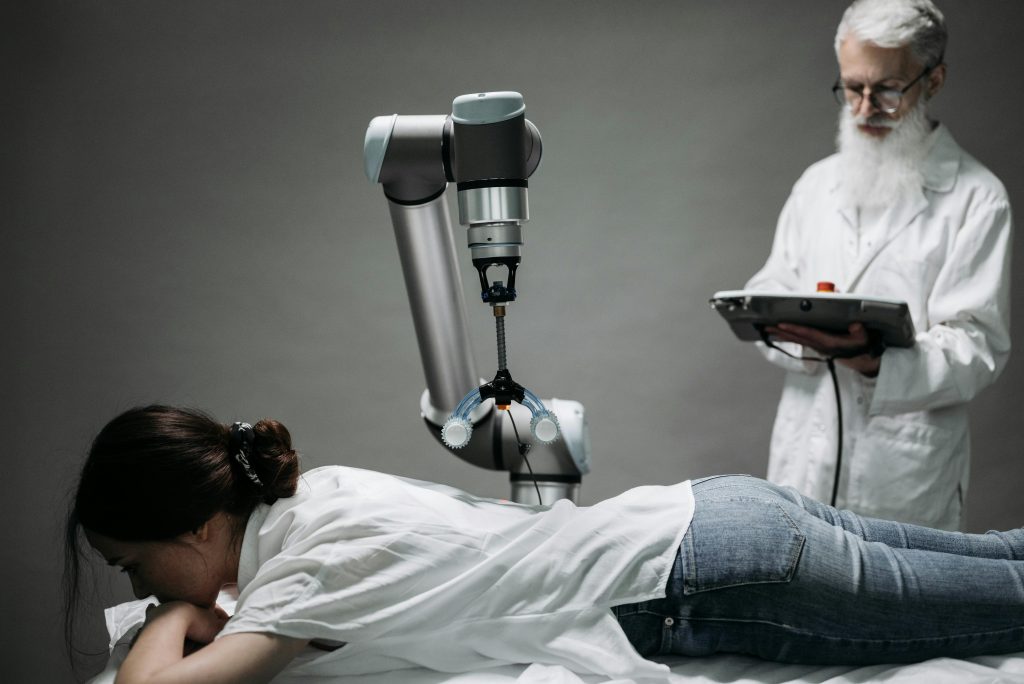
Patients with diabetes, high blood pressure, and heart disease benefit greatly from continuous monitoring of their condition. AI algorithms analyze blood pressure, glucose levels, and other vital signs to predict lung growth before symptoms appear. Sharing real-time data with healthcare providers makes it possible to make immediate medication adjustments and lifestyle recommendations. Diabetics who use continuous glucose monitors see dramatic improvements in their A1C levels because they can make immediate decisions about diet, exercise, and insulin dosage. Heart failure patients equipped with implantable monitors experience fewer hospitalizations because their care team can intervene at the first signs of fluid retention or irregular rhythms.
Mental Health Support Becomes More Accessible
AI-powered digital mental health platforms offer personalized therapy sessions, mood tracking, and crisis intervention services. Apps like Headspace and Calm offer guided meditation and stress management tools, while more advanced platforms offer AI-powered cognitive behavioral therapy sessions.
These systems analyze speech patterns, facial expressions, and behavioral data to assess mental health conditions and provide appropriate interventions. Crisis detection algorithms can detect signs of severe depression or suicidal ideation, automatically connecting users with crisis counselors or mental health professionals. The accessibility and confidentiality of these platforms help reduce stigma and make mental health support available to people who would never want to seek traditional therapy.
Conclusion
The artificial intelligence (AI) revolution in healthcare is already changing the way we diagnose diseases, manage operations, and deliver care to patients. From breakthrough diagnostic tools that detect diseases earlier to simpler methods to reduce wait times, AI is making healthcare more efficient and accessible. Accelerating drug discovery means life-saving treatments are reaching patients faster, while remote monitoring brings quality care to people who might not otherwise get them. The most important thing is to do it right. As we embrace these powerful technologies, putting patient safety and trust at the heart of everything ensures that AI delivers services to everyone fairly. The healthcare landscape of 2025 will look dramatically different, and that’s exciting news for both patients and providers. The key is to stay abreast of these changes and support healthcare systems that prioritize both innovation and policy implementation.
Frequently Asked Questions(FAQs)
- What is the role of AI in healthcare in 2025 ?
- Can I replace doctors in the future ?
- Is patient data safe when AI is used ?
- How is AI improving healthcare in rural areas ?
- What are the main challenges of using AI in healthcare ?