

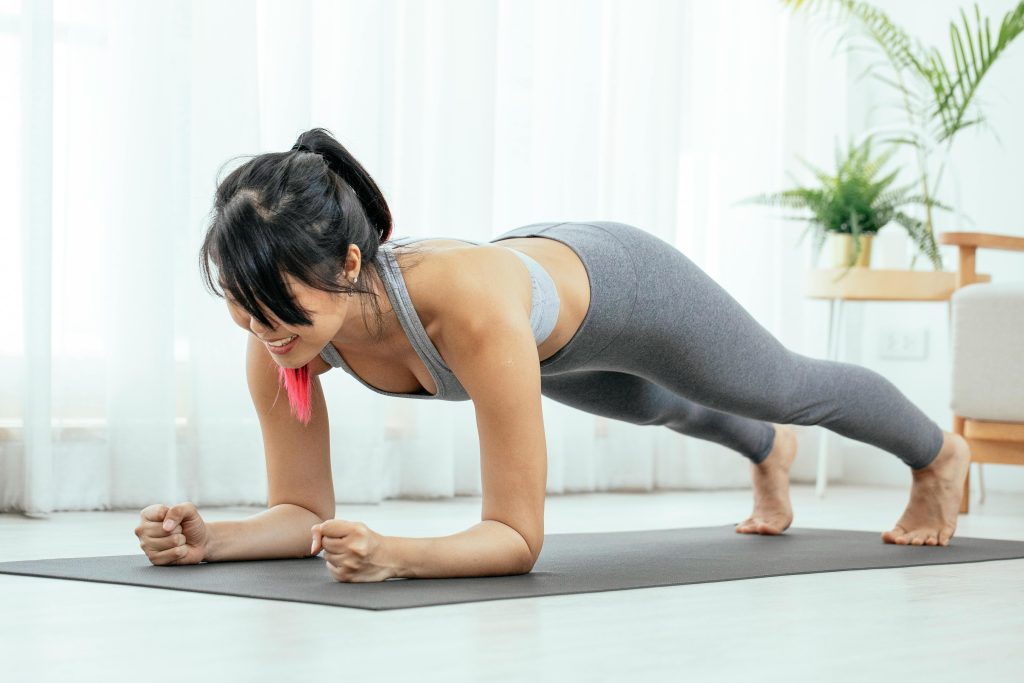
I’ll write this article from my experience, if you ask me “It’s this possible to start your strength training or muscle building journey from your home” so, my answer will be yes you can not only build your strength you also can get muscles if you are a consistent person at this field.
When I started I did not have a mat even or proper area at home , had just a 6 ft area , from that day I realized mindset needed not equipment.
Stuck at home and want to build real strength? Whether you’re in a small apartment or have zero equipment, this guide shows you exactly how to start strength training today—without spending a rupee or dollar on gym memberships.
Why Home Strength Training Works for Everyone
I’ll be honest, you don’t need a fancy gym to get strong. Your body is the best equipment you already have. Millions of people in Mumbai, New York, Delhi, and Los Angeles are transforming their bodies right in their living rooms.
Initially I used to think I needed dumbbells or various machines to see changes in my physique but to be honest in the beginning I began with bodyweight exercises like pushup and not only normal pushups those were various types of.
What you’ll gain:
- Build muscle without equipment (perfect for small spaces)
- Work out at 5 AM or 11 PM—your choice
- Save ₹3,000-5,000 ($40-60) monthly on gym fees
- Start slow, progress at your pace
- Zero travel time wasted
The Truth About Equipment (You Need Less Than You Think)
Start with absolutely nothing. Bodyweight training builds serious strength for beginners.
Phase 1 – Free (Weeks 1-8): Your body is enough. Push-ups, squats, and planks will challenge you completely.
I remember the first time I hardly tried to do only 3 pushups but after some weeks I noticed great change in my strength.
Phase 2 – Budget Basics (₹800-2,000 / $10-25):
- Resistance bands
- Filled water bottles as dumbbells (smart Indian hack!)
- Yoga mat for comfort
Phase 3 – If You Want More (₹3,000-8,000 / $40-100):
- Adjustable dumbbells (5-20 lbs / 2-10 kg)
- Pull-up bar
- Kettlebell
Buy only when bodyweight feels easy. Most beginners don’t need equipment for 2-3 months.
Best Exercises That Work in Any Space
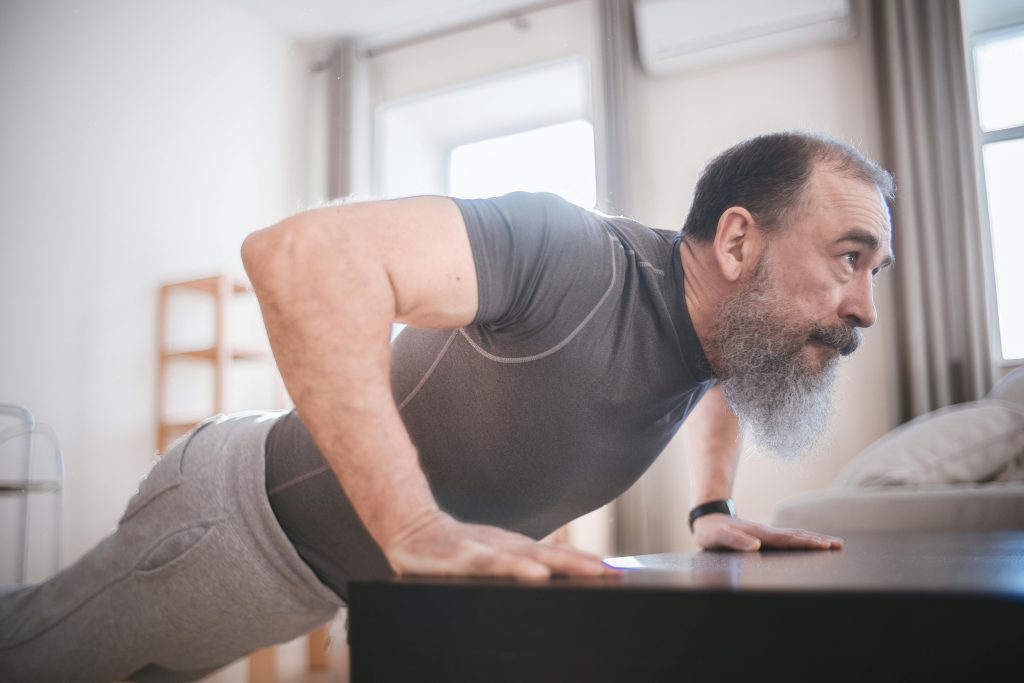
These movements work whether you’re in a 1BHK Mumbai flat or a studio apartment in Chicago.
Upper Body (No Equipment):
- Push-ups: Start on knees if regular is hard. Build to 3 sets of 10.
- Chair dips: Use any sturdy chair. Targets triceps powerfully.
- Wall push-ups: Perfect for complete beginners.
- Plank shoulder taps: Builds core and shoulders together.
Lower Body (Apartment-Friendly, No Noise):
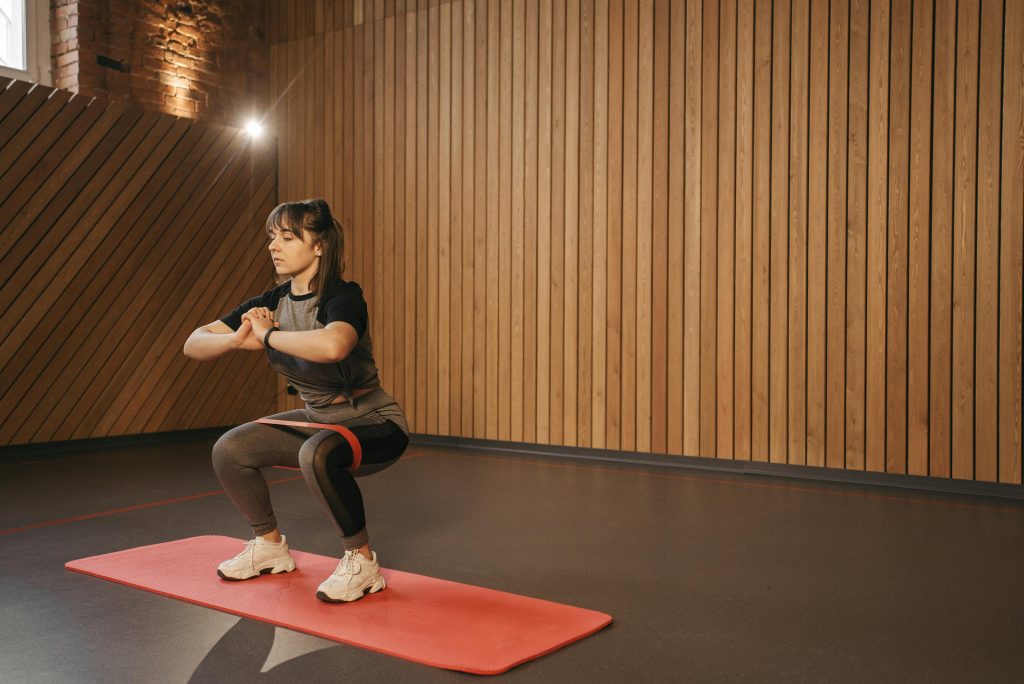
- Squats: The king of leg exercises. Master this first.
- Lunges: Forward, backward, or stationary—all work great.
- Glute bridges: Lie down, lift hips. Builds strong glutes and back.
- Wall sits: Hold for 30 seconds. Burns like crazy.
- Single-leg deadlifts: Advanced but needs zero equipment.
Even I started with bodyweight squats 12 time in 3 sets, I would like to share that one of the most toughest exercise is lega exercise I used to do only 10 in each set means in total 30 , and now I am writing this article I can do 100 bodyweight squats continuously without any break.
Core Strength:
- Planks: Hold proper form. 20 seconds is enough to start.
- Dead bugs: Looks easy, feels impossible. Great for beginners.
- Bicycle crunches: Hits entire core effectively.
- Bird dogs: Balance and core stability combined.
Focus on form first. Ten perfect reps beat twenty sloppy ones every single time, and without perfect form you also get injuries or you doesn’t hit your prior muscle properly I gathered this knowledge personally.
Your First 4-Week Workout Plan
Week 1-2: Foundation Building (3 days/week)
Monday – Full Body:
- Squats: 3 sets × 8 reps
- Knee push-ups: 3 sets × 6 reps
- Plank: 3 sets × 15 seconds
- Glute bridges: 3 sets × 10 reps
Rest 90 seconds between sets or more and consult you certified coaches I am not a coach I’m writing this article to share my thoughts and experience, So it totally depends on you and your coach how much rest you should take between your each set.
Wednesday – Rest or 20-minute walk
Friday – Full Body Repeat: Same as Monday, try adding 1-2 more reps.
Weekend: Rest completely. Recovery builds muscle.
Week 3-4: Progressive Challenge
Add one more workout day. Increase reps by 2-3. Rest when sore this is normal.
Nutrition : Fuel Your Strength (Veg & Non-Veg Options)
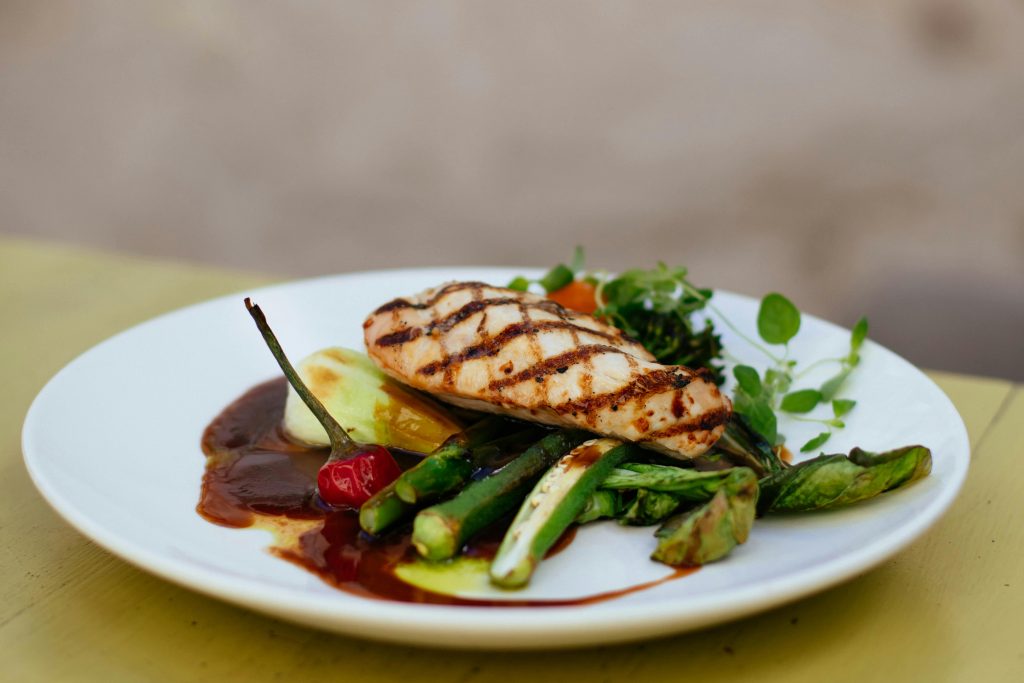
You cannot build muscle without proper nutrition. But, honestly most people or your friends or someone told us without this and that you never gain you muscles or get strength , I don’t know whether I am wrong or not but I honestly never used any type of other sources to get protein or other nutrition, I only used to take home-cooked food , I am a healthy person not like I wanted or want to be a bodybuilder. So, that is my overview or honest my life’s story but I never say don’t use this or that if you have to use so you should go for doctor and professional coaches. And here we are just providing educational or our life experiences, we are not certified doctors or something.
Protein targets:
- 1.6 grams per kg bodyweight (0.7g per lb)
- For a 70kg (154lb) person = 112g protein daily
Indian Vegetarian Sources:
- Dal (all types): 1 cup = 18g protein
- Paneer: 100g = 18g protein
- Chickpeas (chole): 1 cup = 15g protein
- Greek yogurt: 1 cup = 15-20g protein
- Soya chunks: 1 cup = 52g protein (powerful!)
- Peanuts, almonds as snacks
Non-Vegetarian Sources:
- Chicken breast: 100g = 31g protein
- Eggs: 1 large = 6g protein
- Fish (salmon, tuna): 100g = 20-25g protein
- Lean beef: 100g = 26g protein
Can you build muscle on dal-rice?
Yes! Combine dal + rice = complete protein. Add vegetables, eat enough calories, and you’ll grow stronger.
Drink 3-4 liters (0.8-1 gallon) of water daily. Dehydration kills performance.
Common Beginner Mistakes (I Made These Too)
Training too hard initially: Your enthusiasm crashes by week 2. Start with 3 days weekly, not 6.
Ignoring recovery: Muscles grow during rest, not during workouts. Sleep 7-8 hours minimum.
Skipping warm-up: 5 minutes of jumping jacks and arm circles prevents injuries. Always warm up.
Comparing yourself to others: Someone’s month 6 isn’t your month 1. Focus on YOUR progress only.
Inconsistent eating: You can’t out-train a poor diet. Protein + vegetables + whole grains = results.
When Will You See Results?
Week 2-3: You’ll feel stronger, have more energy
Week 4-6: Others notice changes. Clothes fit differently
Week 8-12: Visible muscle definition. Significant strength gains
Month 6+: Complete transformation possible with consistency
This timeline works whether you’re in Bangalore or Boston. Genetics vary, but everyone progresses with proper training.
Frequently Asked Questions
How long should I workout each day? Start with 20-30 minutes, 3 times weekly. Quality beats quantity. As you progress, you can extend to 45 minutes, but beginners don’t need marathon sessions.
Can I build muscle without protein powder? Absolutely! Whole foods work perfectly. Indians thrive on dal, paneer, and eggs. Americans do great with chicken, fish, and beans. Protein powder is convenient, not mandatory.
I’m sore after my first workout. Should I stop? Muscle soreness (DOMS) is normal for beginners. It peaks 24-48 hours after training and means you’re adapting. Keep moving lightly—walk, stretch. Stop only if you have sharp joint pain.
How many rest days do I need? Beginners need 48 hours between sessions for the same muscle group. Training 3-4 days weekly with rest days in between is perfect. More isn’t always better.
Will I get bulky from strength training? No. Building large muscles takes years of dedicated training and specific nutrition. You’ll get toned, defined, and strong—not accidentally huge.
What if I can’t do a single push-up? Start with wall push-ups for 2 weeks, then elevated push-ups (hands on a table) for 2 weeks, then knee push-ups. Everyone progresses at different speeds.
Best time to workout—morning or evening? Whenever you’ll actually do it consistently. Morning works great in India (beat the heat). Evening suits many Americans (after work stress relief). Pick what fits your life.
Can women follow this same program? Yes! This program works for all genders. Women won’t get bulky—they’ll get strong, toned, and confident. The exercises and approach are identical.
I’m over 40/50. Is this safe for me? Generally yes, but consult your doctor first if you have health conditions. Start slower, focus heavily on form, and listen to your body. Age is just a number—many people start strength training in their 50s successfully.
How do I stay motivated when results are slow? Track non-scale victories: more energy, better sleep, improved mood, clothes fitting better. Take progress photos. Join online communities. Remember—slow progress is still progress. Consistency over months beats intensity over days.
Disclaimer
The information provided in this article is based on personal experience of mine and general fitness knowledge. It is meant for educational and motivational purposes only and should not be taken as medical or professional advice.
Always consult a qualified healthcare provider or certified fitness trainer or doctor before starting any new workout program, especially if you have existing health conditions or injuries. The exercises, routines, and nutrition tips shared here may not be suitable for everyone.
The author and publisher are not responsible for any injury, loss, or damages that may occur from following the guidance mentioned in this article. Listen to your body, progress at your own pace, and prioritize safety above all.