
Introduction:
The 5G Revolution is Here
If you’ve been hearing about 5G everywhere lately, you’re not alone. It seems like every mobile carrier and phone manufacturer won’t stop talking about it. But what does 5G actually mean for you as an everyday smartphone user? Is it just marketing hype, or does it really change how you use your phone?
I’ve been using 5G for over a year now across different countries and situations, and honestly, the difference is real. Whether you’re streaming videos during your commute, video calling family across the world, or just trying to load a webpage quickly, 5G does make things noticeably smoother. Let me walk you through what’s actually changing and whether you should care about it.
What Exactly is 5G Technology?
Let’s cut through the technical jargon. 5G stands for “fifth generation” wireless technology – it’s basically the newest upgrade to mobile networks after 4G. Think of it like upgrading from regular broadband to fiber optic internet at home.
The main improvements? Much faster speeds, almost zero lag, and the ability to connect millions of devices at once without everything slowing down. This isn’t just about downloading movies faster (though that’s definitely nice). It’s about making everything you do on your phone feel instant and seamless.
Real Benefits of 5G That You’ll Actually Notice
Lightning Fast Downloads and Uploads
Here’s where 5G really shines. I downloaded a 2GB movie in about 15-20 seconds on 5G – something that would’ve taken several minutes on 4G. For everyday users, this means:
- Downloading apps and games happens almost instantly
- Uploading photos and videos to social media is super quick
- No more waiting for maps to load when you need directions
- Large file transfers for work happen in seconds
- Average speeds: 200-500 Mbps in most areas (sometimes hitting 1 Gbps in optimal conditions)
If you’re someone who shares a lot of content or downloads stuff regularly, you’ll definitely feel the difference.
No More Buffering or Lag
Remember when your video call would freeze during important meetings? Or when you’re watching a live event and it starts buffering at the crucial moment? 5G pretty much eliminates these frustrations.
The technical term is “low latency” – basically meaning there’s almost zero delay between you clicking something and it happening. In real life:
- Video calls are crystal clear without freezing
- Live streaming sports or events is smooth with no buffering
- Online gaming actually works properly on mobile
- Even in crowded places, your internet stays relatively fast
Better Experience in Crowded Places
You know how your phone’s internet becomes almost useless at concerts, sports stadiums, or busy airports? That’s because too many people are trying to use the same 4G tower at once. 5G can handle way more connections simultaneously.
I tested this at a packed music festival, and while everyone else was complaining about no network, my 5G connection worked perfectly fine. This is huge for:
- Major events and festivals
- Busy shopping centers and tourist spots
- Airports and train stations during rush hour
- College campuses with thousands of students
How 5G is Actually Changing Daily Mobile Use
Mobile Gaming Gets Serious
If you’re into gaming, 5G is a game-changer. Cloud gaming services actually work smoothly now – you can play console-quality games on your phone without downloading huge files or dealing with lag.
For mobile gamers, the experience is noticeably better:
- Zero to minimal lag during competitive matches
- Faster matchmaking and game loading times
- Better graphics quality without stuttering
- Live streaming your gameplay becomes practical
- Multiplayer games feel more responsive
Video Streaming Quality Improves Dramatically
YouTube, Netflix, streaming platforms – everything loads instantly and plays in the highest quality. I often watch videos during my commute, and with 5G, there’s literally no buffering even at 4K quality.
The best part? You can easily switch between apps without your video stopping or needing to buffer again. Multiple family members can stream different shows on the same connection without issues.
Work From Anywhere Becomes Real
For remote workers and digital nomads, 5G makes your mobile hotspot actually usable as your main internet connection. I’ve taken important client calls using 5G hotspot, and the quality was often better than café WiFi.
This means:
- Reliable video conferences from anywhere
- Quick file uploads to cloud storage
- Smooth access to work applications and tools
- No need to hunt for WiFi constantly
Enhanced Social Media Experience
Scrolling through social media feels smoother. Stories, reels, and videos load instantly. Going live on any platform is more stable. The whole experience just feels more responsive and less frustrating.
Smart Device Integration
If you’re using smart devices – smart speakers, lights, security cameras, wearables – they all connect and respond faster with 5G. Your phone becomes a more reliable hub for controlling your connected ecosystem.
5G Coverage Around the World: Current Status
Let’s be realistic about coverage. As of 2025, here’s the general situation:
Availability:
- Most developed countries have 5G in major cities
- Coverage is expanding to suburban and rural areas gradually
- Developing nations are in various stages of rollout
- Some countries have near-complete urban coverage
Reality Check:
- Even in cities with “5G coverage,” you’ll find dead zones
- Indoor coverage can be weaker than 4G
- Different carriers have different coverage quality
- Rural areas are still mostly 4G or slower
The good news? Coverage is expanding rapidly every month. What wasn’t available six months ago might be available now in your area.
5G vs 4G: The Real Difference You’ll Experience
| Feature | 4G LTE | 5G |
| Typical Speed | 20-50 Mbps | 200-500 Mbps |
| Peak Speed | 100 Mbps | 1+ Gbps |
| Video Calls | Often laggy | Smooth & clear |
| Downloads | Few minutes | Few seconds |
| Gaming | Some lag | Minimal to no lag |
| Crowded Areas | Slows significantly | Stays relatively fast |
| Latency | 30-50 ms | 1-10 ms |
Should You Upgrade to 5G?
Here’s my honest take on who should and shouldn’t worry about 5G right now:
Upgrade if you:
- Live in an area with good 5G coverage
- Use your phone heavily for streaming, gaming, or work
- Often face slow internet in crowded places
- Need to share large files frequently
- Use mobile hotspot regularly
- Travel to areas with 5G coverage often
Don’t rush if you:
- Live in an area without 5G coverage yet
- Mostly use WiFi at home and work
- Your current 4G speed is good enough for your needs
- Your phone doesn’t support 5G and you’re not due for an upgrade
- Budget is tight (5G phones cost more, though prices are dropping)
The key question: will it meaningfully improve your daily phone usage? For many people, the answer is yes – but only if coverage is available where you actually use your phone.
Real Talk: Challenges and Downsides of 5G
Coverage is Still Patchy
Even in cities with “5G coverage,” you’ll find dead zones. Sometimes you’ll get full 5G bars, sometimes it drops back to 4G. Indoor coverage, especially in older buildings with thick walls, can be weak.
Battery Drain is Real
Your phone will consume more battery when connected to 5G. I’ve noticed about 10-20% more battery usage throughout the day. Many people toggle 5G off to save battery when they don’t need the extra speed.
Phone Compatibility
You need a 5G-capable phone. Most phones from 2022 onwards have 5G support, but older devices won’t work. The good news is that 5G phones are becoming more affordable, with options at various price points.
Data Consumption Increases
Faster speeds mean you’ll end up using more data without realizing it. That 4K video that would’ve buffered on 4G? Now it just plays smoothly, eating through your data allowance. You might need to upgrade to a higher data plan.
Cost Considerations
Some carriers charge extra for 5G access or require premium plans. 5G phones typically cost more than comparable 4G models. You might need to factor in these additional costs.
The Future of 5G: What’s Coming
Looking ahead to 2026-2027, we can expect:
- Near-complete coverage in most urban areas worldwide
- More affordable 5G phones at all price points
- New applications we haven’t seen yet (remote healthcare, advanced AR/VR)
- Smart city infrastructure powered by 5G
- Better integration with AI features on smartphones
- More competitive pricing as the technology matures
- Emergence of 6G research and early testing
The technology will become the standard, just like 4G is today. Early adopters are already benefiting, and mainstream adoption is accelerating.
How to Start Using 5G
Want to get started? Here’s what you need:
- Check if 5G is available in your area
- Use your carrier’s website to check coverage maps
- Ask friends or colleagues about their experience
- Look for 5G indicators when you’re out and about
- Make sure your phone supports 5G
- Check your phone specifications online
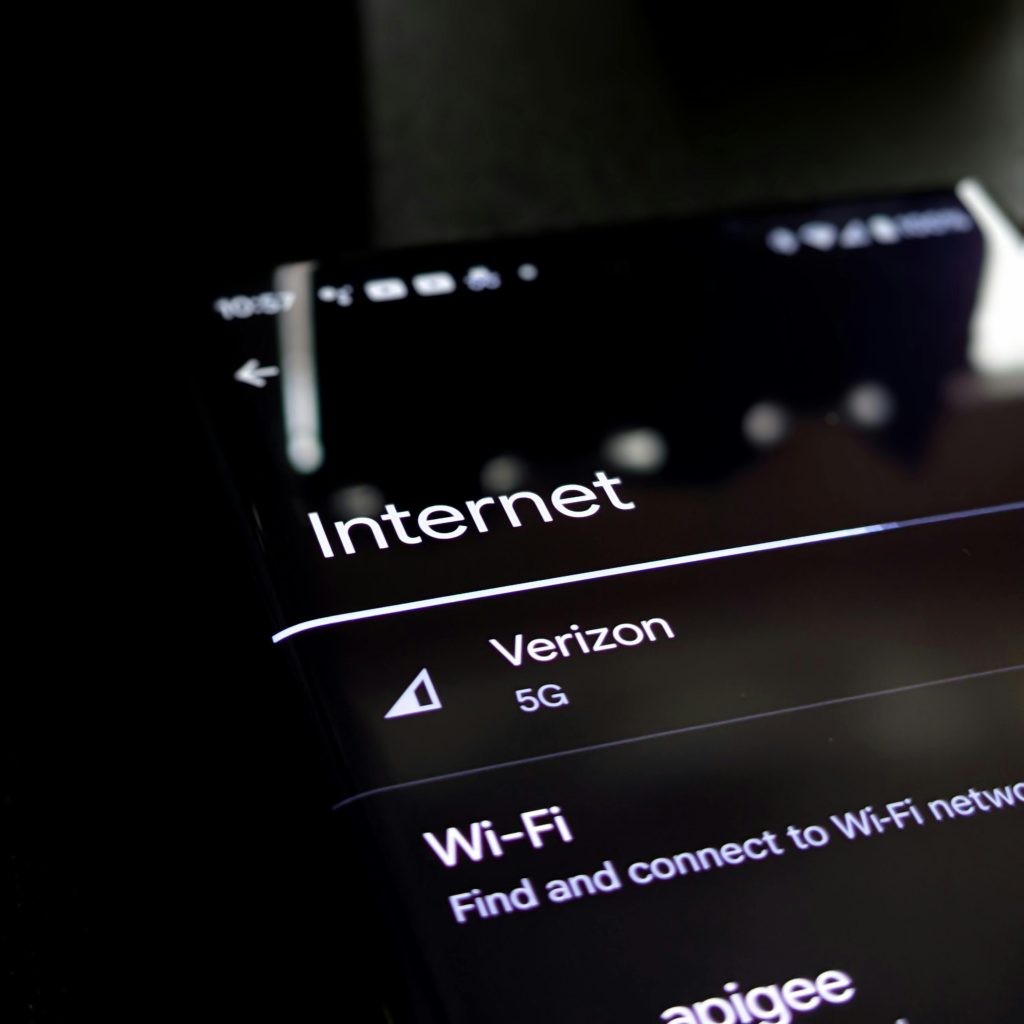
- Look in Settings > Mobile Network to see available options
- Most phones from 2022 onwards have 5G capability
- Enable 5G in phone settings
- Go to Settings > Mobile Network > Preferred Network Type
- Select 5G or 5G/4G/3G Auto
- The exact path varies by phone manufacturer
- Check your mobile plan
- Verify if 5G is included in your current plan
- Some carriers require plan upgrades for 5G access
- Compare plans if needed to find the best value
- Monitor your data usage
- You’ll likely use more data than before
- Consider unlimited plans if available and affordable
- Track usage for the first month to understand your needs
FAQs About 5G Technology
Q1: Is 5G really that much faster than 4G?
Yes, in areas with good coverage, 5G is consistently 5-10 times faster than 4G. In my testing across various locations, where 4G gives 30-40 Mbps, 5G easily crosses 300-500 Mbps. However, actual speeds vary significantly based on location, time of day, and network congestion.
Q2: Do I need a new phone for 5G?
Yes, you need a 5G-compatible smartphone. 5G requires specific hardware (modems and antennas) that 4G phones don’t have. The good news is that most smartphones released after 2022 support 5G, including many mid-range and budget options.
Q3: Will 5G work everywhere?
No, 5G coverage is still being rolled out globally. It works best in urban areas and major cities. Suburban and rural coverage varies widely. Even in covered areas, you might experience drops to 4G when moving between locations or going indoors.
Q4: Does 5G drain battery faster?
Yes, 5G typically consumes 10-20% more battery compared to 4G in everyday use. The exact impact depends on your phone model and how you use it. Most phones allow you to disable 5G when you don’t need the extra speed to preserve battery life.
Q5: Is 5G safe? Are there health concerns?
According to the World Health Organization and numerous scientific studies, 5G is safe and poses no health risks. The radio waves used by 5G are non-ionizing and well within established safety limits. There’s no credible scientific evidence linking 5G technology to health problems.
Q6: Why does my phone keep switching between 5G and 4G?
This is normal and happens because 5G coverage isn’t continuous everywhere yet. When you move to areas without strong 5G signal, your phone automatically switches to 4G to maintain connectivity. As networks expand, this will happen less frequently.
Q7: Can I use 5G instead of home broadband?
Many people are successfully using 5G as their primary internet connection, especially with unlimited data plans. I’ve used 5G hotspot for work and it performs well for video calls, streaming, and regular browsing. However, consider getting a dedicated 5G router rather than using your phone continuously as a hotspot.
Q8: Will 5G cost me more money?
It depends on your carrier and plan. Some carriers include 5G at no extra cost, while others require premium plans. Additionally, 5G phones typically cost more than comparable 4G models, though prices are dropping. You might also use more data on 5G, potentially requiring a larger data allowance.
Q9: How is 5G different from 5GHz WiFi?
They’re completely different technologies. 5G is a cellular network technology provided by mobile carriers. 5GHz WiFi is a frequency band used by your home router. The similar names are just a coincidence – they serve different purposes and aren’t related.
Q10: What’s the difference between 5G types (5G, 5G+, 5G UW, etc.)?
Different carriers use different branding for their 5G services. Generally, standard “5G” refers to sub-6GHz networks (good coverage, moderate speeds), while “5G+” or “5G UW” (Ultra Wideband) refers to mmWave 5G (extremely fast speeds but limited coverage). The exact terminology varies by carrier and region.
Important Disclaimer
General Information: The information in this article is for educational and informational purposes only. 5G technology, network coverage, speeds, pricing, and availability are constantly evolving and vary significantly by location, carrier, device, and time. We strongly recommend verifying current information with your local mobile service provider.
Performance Expectations: Speed tests, performance metrics, and user experiences mentioned are based on various testing conditions and personal observations. Your actual 5G experience will differ based on numerous factors including network congestion, device specifications, distance from cell towers, weather, building materials, and your specific location.
Not Professional Advice: This content does not constitute professional, technical, legal, or financial advice. Readers should conduct independent research and consult qualified professionals before making technology purchases, changing service plans, or making any decisions based on this information.
Health and Safety: Information about 5G safety is based on current scientific consensus and guidelines from organizations like the WHO. This is not medical advice. If you have specific health concerns, please consult healthcare professionals.
Accuracy: While we strive for accuracy, technology evolves rapidly. Information may become outdated. We are not responsible for any decisions made based on this content.
Conclusion: Is 5G Worth It in 2025?
After using 5G extensively across different scenarios and locations, here’s my honest assessment: if you have reliable access to it, yes, it’s worth using. The speed improvement is genuinely noticeable in daily use whether you’re streaming, gaming, working remotely, or just browsing.
But should you specifically upgrade your phone or switch carriers just for 5G? That depends entirely on your situation. If you’re due for a phone upgrade anyway, absolutely get a 5G phone – they’re becoming standard at all price points. If your current phone works fine and you’re not in a 5G coverage area, there’s no rush.
For those in areas without coverage yet, don’t feel like you’re missing out on something life-changing. 4G still works perfectly fine for most tasks. But as 5G expands globally over the next 1-2 years, you’ll start seeing new services and experiences that simply aren’t possible on 4G networks.
The reality is that 5G is no longer just hype or a future promise – it’s here, it works, and it’s genuinely improving mobile internet for millions of users worldwide. Whether you need it right now or can wait depends on your personal usage patterns, location, and budget. But one thing is certain: this is the future of mobile connectivity, and it’s arriving faster than many people expected.
The best approach? Check coverage in your area, evaluate your actual needs, and make a decision based on practical benefits rather than marketing buzz. For many users, 5G is already delivering real value. For others, waiting another year while networks expand and prices drop might make more sense. Either way, understanding what 5G actually offers helps you make the right choice for your situation.
Disclaimer
The information shared in this article is for general educational and informational purposes only. While every effort is made to ensure accuracy, technology evolves rapidly, and details such as network coverage, pricing, and performance may change over time.
This content does not constitute professional, technical, financial, or medical advice. Readers are encouraged to verify information with official sources or qualified experts before making any decisions based on this article.